01
Your keys stay offline
Private keys are created and kept on the device, away from everyday online threats. You can connect to manage assets without exposing your keys to your computer.
OFFLINE BY DESIGNA Trezor hardware wallet keeps your private keys offline, so you can manage your digital assets with more confidence—and keep control where it belongs: with you.
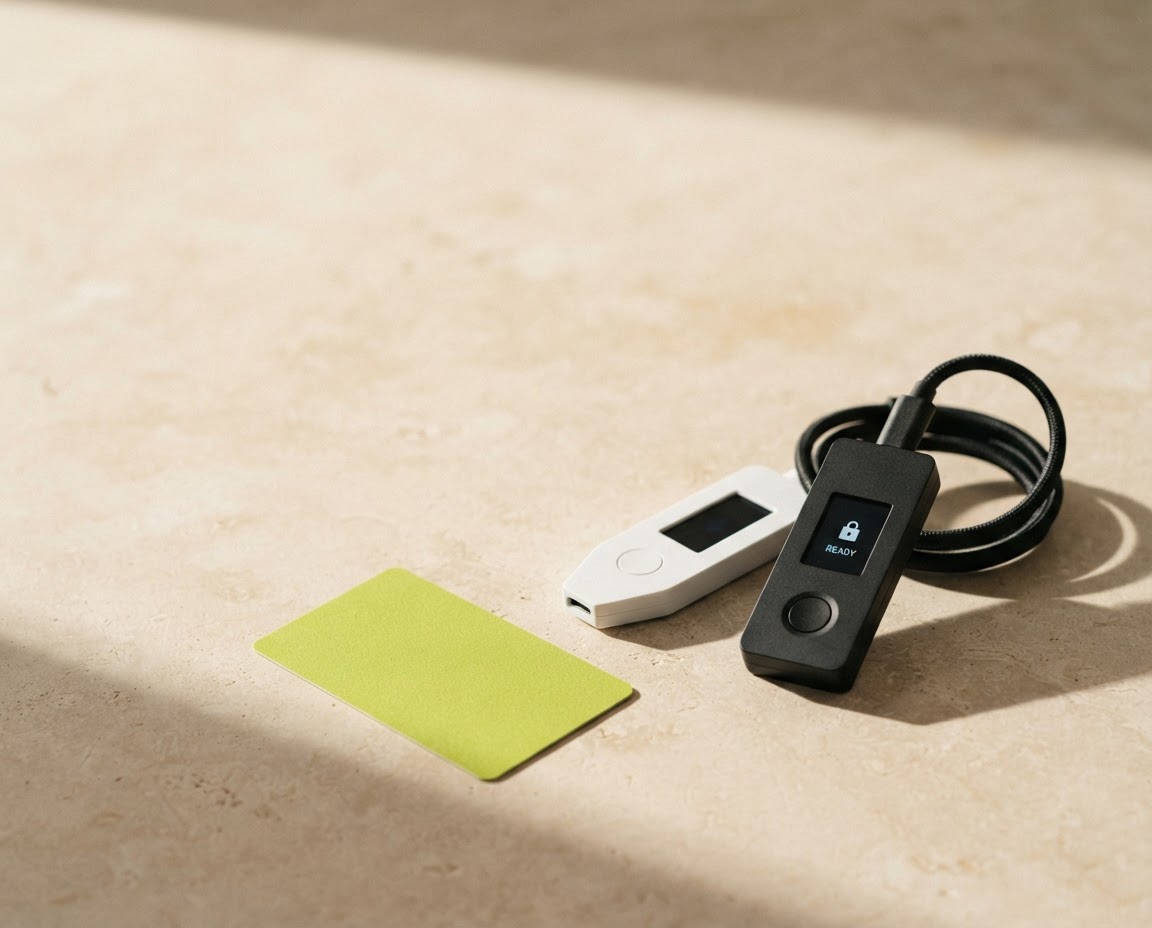
A hardware wallet is a small device with a big job: helping you protect access to your crypto while you stay in charge of every move.
Private keys are created and kept on the device, away from everyday online threats. You can connect to manage assets without exposing your keys to your computer.
OFFLINE BY DESIGNReview and confirm transactions on your wallet itself. A separate screen helps you check what you are signing before you approve it.
YOU MAKE THE CALLManage supported coins, tokens, and digital assets using Trezor Suite or compatible wallets, with your hardware wallet at the center.
YOUR CRYPTO, ORGANIZEDA recovery backup can help restore access if your device is lost or damaged. Keep it private, secure, and separate from your device.
RECOVERABLE BY YOUSecurity features and supported assets vary by model and software. A hardware wallet helps protect your keys, but it cannot eliminate every risk.
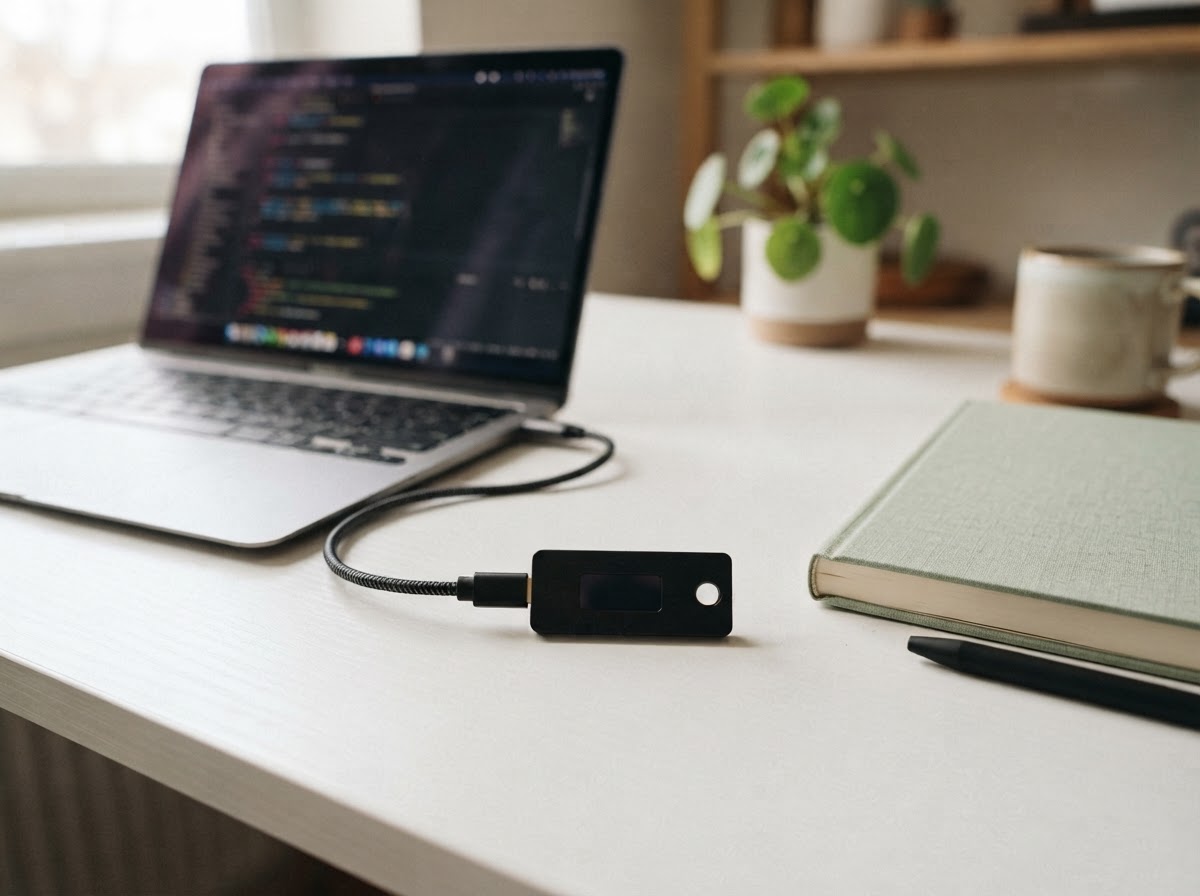
Your wallet signs transactions on the device. Your private keys are never shared with the app or website you connect to.
Set up your Trezor and connect it to a compatible app.
Check the transaction details on your device's screen.
Approve it physically when everything looks right to you.
Exact connection methods and screens depend on your device model and chosen wallet app.
Trezor offers different device styles, from straightforward essentials to models with a color touchscreen. Think about how you want to connect, what you want to manage, and which features matter to you.
Explore Trezor SuiteLook up support for your coins, tokens, and preferred wallet apps.
Compare the screen, controls, and connection options that suit you.
Use the official Trezor store or an authorized reseller to reduce tampering risk.
A few things worth knowing before you begin.
It is a physical device that keeps your private keys offline and lets you approve transactions from the device. Your crypto remains recorded on its respective blockchain; the wallet protects the keys used to access it.
If you have your recovery backup, you can use it to restore access with a compatible wallet. Store the backup offline in a safe place, and never share it with anyone—not even someone claiming to be support.
No device can remove every risk. Protect your recovery backup, verify addresses and transaction details, keep software up to date, and be cautious of phishing and impersonation attempts.
No advanced technical experience is needed, but take time to follow setup instructions carefully. Always create your recovery backup yourself and verify you are using official software.